

If you are searching for a working adidas promo code Hong Kong, the objective is not simply finding a code. The real advantage comes from understanding pricing cycles, discount stacking, seasonal drops, and membership mechanics.
- 1. Understanding adidas Pricing Cycles in Hong Kong
- 2. Where Most Shoppers Lose Money
- 3. adiClub Membership Advantage
- 4. Categories With Highest Discount Frequency
- 5. Best Timing Windows for Maximum Savings
- 6. Outlet vs Main Collection Strategy
- 7. Online vs Physical Store Differences
- 8. Psychological Pricing and Perceived Discounts
- 9. Smart Checkout Process
- 10. Long-Term Savings Strategy
- 11. Why Timing Beats Random Code Searching
- 12. Final Takeaway
adidas operates on structured promotional rhythms in Hong Kong. Discounts frequently range between 20% and 50%, depending on category, season, and campaign timing. Shoppers who understand these patterns consistently pay less than casual buyers.
This guide breaks down how pricing works, when discounts peak, and how to combine offers intelligently.
1. Understanding adidas Pricing Cycles in Hong Kong
adidas does not discount randomly. Sales follow predictable patterns:
Seasonal Transition Sales
At the end of each major season, inventory rotation begins. This is when previous-season footwear and apparel enter the Sale section, often at 30% to 50% off.
Key periods:
- January clearance
- Mid-year June and July rotation
- October inventory shift
- Black Friday and Cyber Monday
- 12.12 year-end event
Performance models such as Ultraboost, Adizero, Predator boots and selected Originals sneakers frequently appear in these transitions.
Campaign-Based Promotions
These include:
- 10.10
- 11.11
- Black Friday
- Back to School
- Chinese New Year
Campaign discounts may apply sitewide or to selected categories.
2. Where Most Shoppers Lose Money
Many customers apply a promo code to full-price items without checking the Sale section first. This is inefficient.
Correct order of operations:
- Check Sale section
- Filter by size availability
- Compare discount percentage
- Apply additional promo code if valid
If a product is already 40% off and you add a 10% member incentive, your effective savings compound.
Understanding this stacking logic is critical.
3. adiClub Membership Advantage
adidas’ loyalty ecosystem, adiClub, materially improves long-term savings.
Benefits often include:
- First-purchase incentives
- Early access to Sale
- Birthday rewards
- Point accumulation per purchase
Points convert into vouchers that reduce future checkout totals. Over multiple purchases, this effectively increases your overall discount rate beyond advertised percentages.
High-frequency shoppers benefit most from this model.
4. Categories With Highest Discount Frequency
Discount probability varies by category.
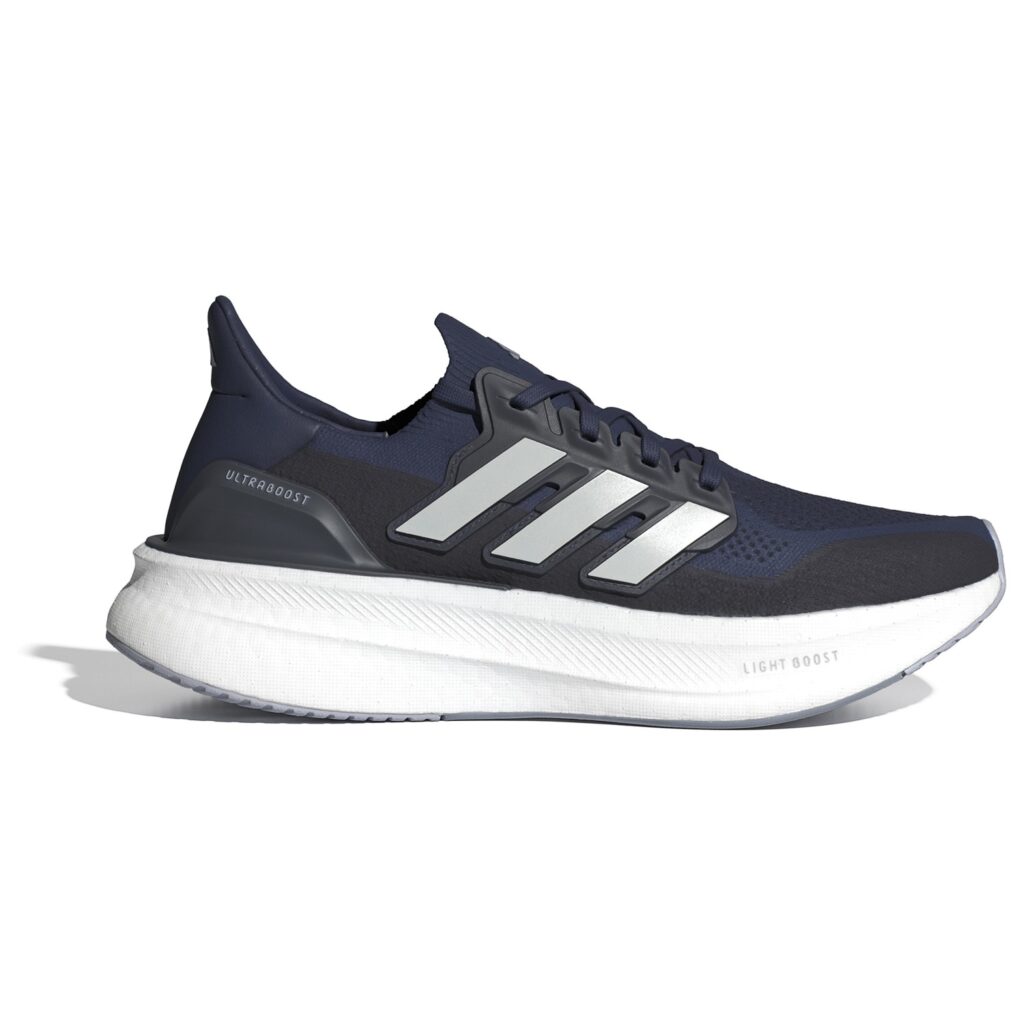
Running Shoes
Previous-generation performance models often drop to 30%–50% off once a new version releases.
Training Apparel
Gym tops, compression wear and seasonal outerwear frequently rotate into markdown cycles.
Football Boots
Colorway refresh cycles create clearance opportunities.
Originals Lifestyle
Classic silhouettes such as Samba, Stan Smith and Superstar appear in sales when seasonal color variants phase out.
Limited-edition collaborations rarely receive significant discounts. Core models and seasonal colors offer better value. Remember to apply an adidas Promo Code Hong Kong.
5. Best Timing Windows for Maximum Savings
If the goal is highest percentage discount rather than newest release access, target:
- Late January
- Mid-June
- November Black Friday week
- Mid-December
Black Friday typically produces some of the strongest stackable events in Hong Kong.
Early access via membership increases probability of securing popular sizes.
6. Outlet vs Main Collection Strategy
There is a material difference between:
- Main retail category
- Sale category
- Outlet inventory
Outlet footwear often provides deeper base markdowns. When combined with a valid promo incentive, savings exceed typical campaign discounts.
However, size fragmentation occurs quickly. Decision speed matters.
7. Online vs Physical Store Differences
Online campaigns often launch first and may include exclusive codes not valid in-store.
Physical stores occasionally run location-based promotions but with limited stacking flexibility.
For maximum savings transparency and stacking ability, online purchases generally provide superior control.
8. Psychological Pricing and Perceived Discounts
Retailers frequently anchor pricing against original retail values. Consumers should focus on effective discount percentage relative to product lifecycle.
For example:
- 50% off end-of-season product may provide higher value than 15% off new release.
Understanding lifecycle depreciation prevents impulse spending driven by marketing language.
9. Smart Checkout Process
Before completing payment:
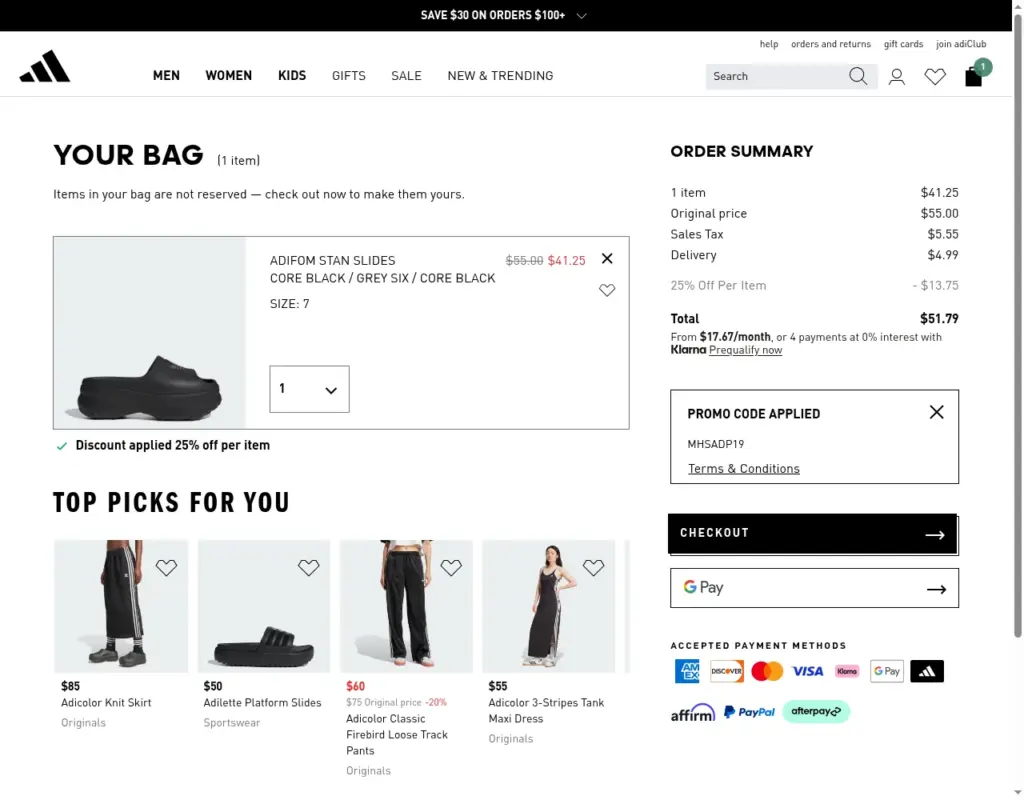
- Re-check cart for auto-applied discounts
- Confirm no duplicate code conflict
- Ensure membership login is active
- Verify final percentage reduction
Some codes override others. Always compare final checkout totals before confirming.
10. Long-Term Savings Strategy
If you purchase adidas products multiple times per year:
- Join adiClub
- Time purchases with seasonal rotation
- Stack base markdown with campaign incentives
- Monitor high-discount categories rather than chasing new releases
Over a 12-month cycle, strategic timing can reduce overall spend by 30%–45% compared to casual shopping.
11. Why Timing Beats Random Code Searching
Most publicly listed codes are time-sensitive or category-restricted. Rather than searching endlessly, align purchase timing with structured promotional events.
A well-timed 40% markdown with member stacking beats an arbitrary 10% sitewide code on full-price items.
This strategic approach consistently outperforms opportunistic coupon hunting.
12. Final Takeaway
Using a valid adidas promo code Hong Kong effectively requires more than entering a code box. It requires understanding:
- Seasonal pricing rotation
- Campaign timing
- Membership stacking
- Category discount frequency
- Product lifecycle patterns
Consumers who treat shopping strategically rather than emotionally consistently achieve higher savings percentages.